July 8, 2026
Explore the profound impact expert tree services can have on your landscape. From enhancing aesthetics to improving safety and ecological balance, professional arborists play a crucial role. Trees are living organisms that require careful planning and management to thrive within a landscape. Professional tree services help prevent potential safety hazards by addressing issues such as overgrowth, disease, and structural weaknesses. Expert care ensures that trees not only serve their protective functions but also enhance the visual appeal and value of your property.
The Importance of Professional Tree Evaluation
Assessing Tree Health
Professional tree evaluations begin with assessing the health of the trees. Arborists look for signs of disease, insect infestations, and structural problems. Identifying these issues early can prevent costly damage and safety hazards down the line. By diagnosing problems accurately, arborists can recommend treatments that promote tree health, ensuring longevity and resilience. Expert assessments provide a foundation for effective management and maintenance strategies.
According to This Old House, removing trees within 40 feet of your home is best for maximum safety. Keeping this safe distance can prevent damage from roots or falling branches during storms. An expert arborist can help evaluate which trees pose a risk and recommend whether to utilize comprehensive tree services to remove them or manage them for safety. Professional evaluations take into account not just the current state of the trees, but also potential risks over time. This proactive approach is crucial in maintaining a landscape that supports safety and well-being.
Understanding Soil Conditions
The foundation of a healthy tree is the soil in which it grows. Soil conditions significantly influence tree health, growth, and stability. Expert tree services include soil assessments to determine its composition, structure, and nutrient content. Understanding these elements allows arborists to recommend suitable amendments and treatments to enhance soil fertility and stability. This ensures that the trees have a nurturing environment that supports their long-term health.
Soil health is often overlooked, yet it plays a vital role in determining the success of a landscape. Poor soil conditions can stunt tree growth, lead to nutrient deficiencies, and increase susceptibility to pests and diseases. Regular soil testing allows for the identification of deficiencies or imbalances that can be corrected with proper amendments. By aligning soil conditions with the needs of specific tree species, arborists create an optimal environment for growth. This contributes to healthier, more resilient trees in your landscape.
Determining Appropriate Tree Species
Choosing the right tree species is crucial for a thriving landscape. Each tree variety comes with its unique characteristics, such as growth patterns, maintenance needs, and ecological benefits. Professional arborists assess the local climate, soil conditions, and landscape design to recommend tree species that are likely to thrive. This approach avoids the challenges that arise from planting unsuitable species, such as poor growth and increased susceptibility to pests.
Tree Pruning and Shaping: Safety, Health, and Aesthetics
Enhancing Structural Integrity
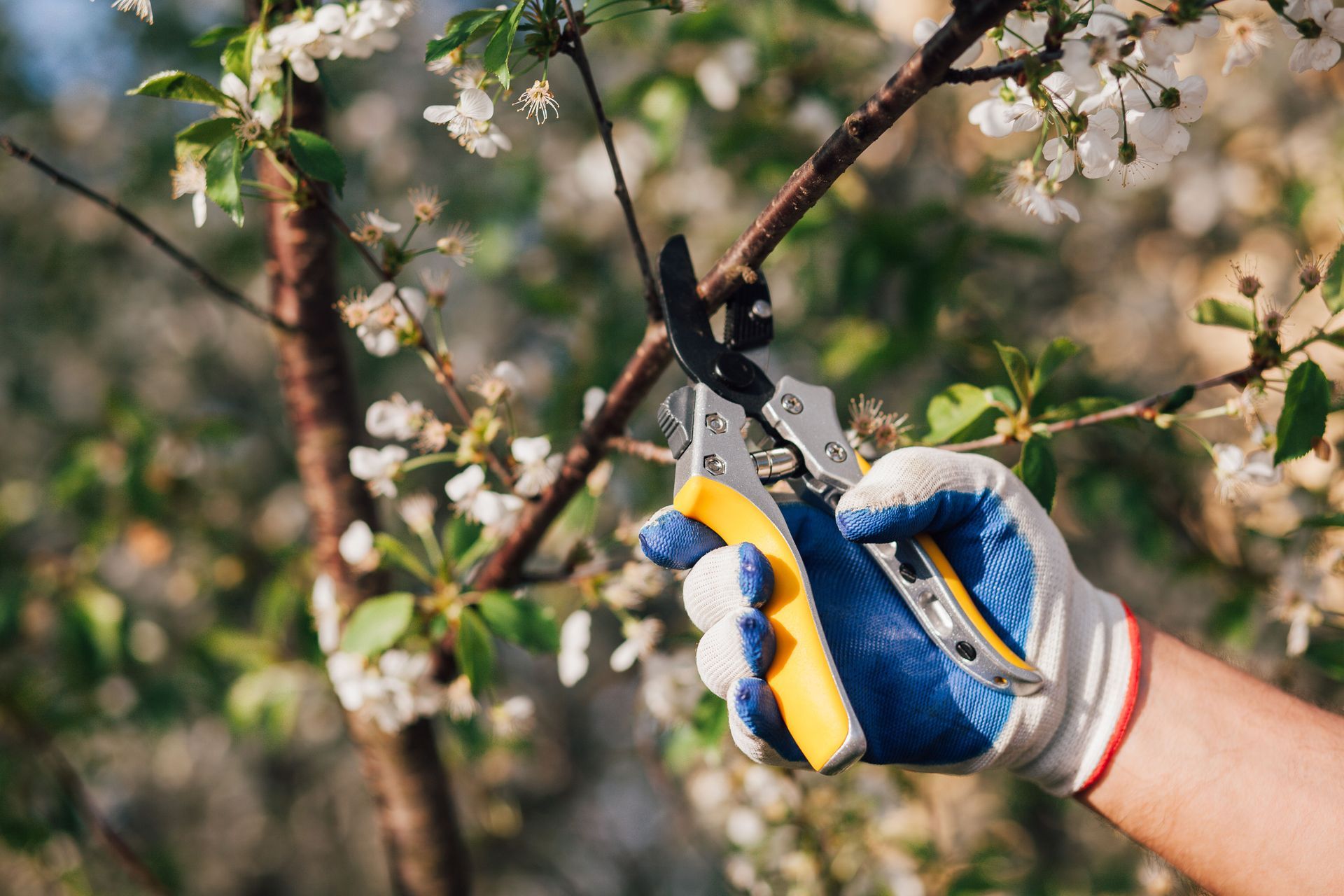
Pruning is essential for maintaining the structural integrity of trees. Through careful removal of weak, dead, or diseased branches, arborists prevent potential failures that can cause damage or injury. Proper pruning techniques ensure that trees withstand adverse weather conditions and support new, healthy growth. This proactive approach reduces the risk of falling branches and contributes to a safer environment for people and properties. Regular pruning is integral to sustaining the long-term health and stability of trees.
Pruning also plays a preventive role by identifying and mitigating structural weaknesses before they develop into serious problems. Modern tree services employ strategies that promote strong branch configurations, reducing stress on the tree and enhancing durability. This structural enhancement is especially important in urban environments, where space limitations and human activity are prevalent. By ensuring robust structural integrity, pruning contributes to a reduced incidence of tree-related accidents and enhances compatibility with surrounding elements.
Improving Tree Health
Healthy growth in trees is fostered through regular pruning, which removes diseased or dead branches before they compromise overall tree health. This allows the tree to channel resources such as nutrients and water to healthier parts, promoting vigor and resilience. Moreover, strategic pruning reduces the likelihood of pest infestations by eliminating entry points and creating unfavorable conditions for pests. By ensuring that trees receive adequate sunlight and air circulation, pruning enhances photosynthesis, leading to better growth and development.
In addition to promoting physical health, pruning also encourages the tree's natural defense mechanisms. By carefully managing the tree's crown and branch structure, specialized tree services help it withstand both biotic and abiotic stressors. This includes factors such as environmental changes, diseases, and competing plants. Through these interventions, arborists contribute to trees' ability to adapt to their environment and thrive under various conditions. Regular pruning emphasizes holistic health improvements, making trees more resilient and sustainable within their ecosystems.
Maximizing Visual Appeal
Pruning is not only a health-enhancing practice but also a way to maximize the visual appeal of a landscape. Through careful shaping, trees can be transformed into stunning focal points that enhance the aesthetic value of the property. Appropriate pruning techniques balance natural growth tendencies with artistic intent, conserving the tree’s intrinsic beauty while presenting it in the most attractive form. This involves removing encroaching or unsightly branches, achieving a harmonious silhouette that aligns with the landscape's design.
Tree Removal and Stump Grinding: When Necessary
Identifying Dead or Decaying Trees
Tree removal, though often seen as a last resort, becomes necessary when trees are dead or severely decayed. Decayed trees pose significant dangers to property and people, particularly during storms when they are at risk of collapsing. Professional arborists are skilled at assessing tree health to determine when removal is unavoidable. They use indicators such as missing bark, cracking, or dramatic changes in leaf color to make informed decisions. This decisive intervention reduces risks and ensures a safe, managed landscape.
Informed tree removal decisions require comprehensive assessments, integrating biological and environmental factors. Reliable tree services employ diagnostic tools and techniques, such as resistograph testing, to evaluate the internal condition of a tree. These insights identify decay or hollowing signs invisible to the naked eye, critical in making timely decisions regarding tree removal. By preventing potential catastrophes, arborists play a proactive role in maintaining safety and landscape balance. Their expertise enforces the principle of prudent maintenance as an investment in the future.
Understanding Landscape Renovation Needs
Renovating landscapes often involves tree removal to accommodate new uses or designs. Landscape renovations introduce fresh aesthetics and functionality, necessitating the creation of footprints unrestrained by established vegetation. Arborists facilitate these transitions by providing expertise in analyzing existing tree placements and recommends removals that optimize design transformations. This strategic removal amplifies potential usage and fulfills modern landscape requirements in harmony with existing elements.
Planned tree removal within a renovation context incorporates aesthetic and ecological planning. Professional tree services consider native versus non-native species, invasive tendencies, and alignment with renovation goals. This understanding mitigates adverse impacts while maximizing environmental benefits and visual harmony post-renovation. These recommendations assist in project planning and execution, offering guidance on when and how to remove trees for optimal outcomes. Renovation strategies anchored in sound arboricultural knowledge transform spaces to meet modern sensibilities and ecological needs.
Investing in expert tree services is an essential step toward preserving the long-term safety, health, and visual harmony of your property's ecosystem. Through professional arborist evaluations, homeowners can mitigate catastrophic storm risks by establishing critical clearance boundaries while simultaneously correcting overlooked underground soil imbalances. Ultimately, whether utilizing strategic pruning to fortify a tree's natural defense mechanisms or conducting precise removals to clear space for modern landscape renovations, specialized care transforms raw greenery into a valuable, resilient, and enduring asset.
Contact Levi's Tree Service LLC today to schedule elite tree services and give your property the expert care it needs to thrive!