November 9, 2026
Towering shade trees, blossoming ornamentals, and established evergreens bring tremendous beauty, environmental value, and enduring character to any residential or commercial parcel. These living landscape features cool our neighborhoods, purify the air, shelter native wildlife, and dramatically elevate visual appeal across neighborhoods. However, sustaining healthy, thriving specimens requires far more than casual weekend yard work or occasional branch clipping. When trees grow excessively tall, develop diseased branches, or shift unstable root systems, managing them demands specialized horticultural knowledge and precise physical dexterity. Attempting routine tree care without proper training often leads to unforeseen complications that can harm both individuals and the very flora they wish to protect.
Every mature tree functions as a complex biological organism with distinct structural vulnerabilities and seasonal requirements. Pruning at the improper time, making improper cuts into the bark, or neglecting hidden signs of internal decay can permanently compromise canopy vitality and weaken the entire trunk. Furthermore, managing massive timber aloft poses severe physical challenges that can turn simple backyard tasks into dangerous situations. Partnering with seasoned arborists ensures that every pruning, trimming, and removal project proceeds smoothly while promoting ecological health and structural stability. Understanding the primary reasons to rely on qualified specialists clarifies why professional intervention remains the smartest path for modern property owners.
1. Avoiding Severe Physical Hazards
Working high above the ground presents tremendous dangers that standard residential property owners are simply not prepared to navigate safely. Handheld chainsaws, heavy falling timber, sharp hand saws, and tall ladders create an intrinsically hazardous working environment where mistakes carry devastating consequences. A ladder can shift without warning on uneven terrain, or a severed branch under internal tension can suddenly spring backward, causing severe blunt trauma to an unprotected operator. Professional tree care eliminates these hazards by substituting uncoordinated amateur efforts with certified high-altitude rigging procedures, bucket trucks, and secure climbing systems.
According to the Occupational Safety and Health Administration, three common hazards associated with these operations involve energized power lines, falling branches, and faulty safety equipment. Everyday DIY enthusiasts rarely possess the rigorous training necessary to identify overhead electrical arc zones or evaluate hidden weaknesses within decayed wood fibers. Working near electrical infrastructure requires strict safety protocols, specialized non-conductive tools, and thorough situational awareness to avoid lethal electric shock. Qualified arborists continuously evaluate their ropes, harnesses, and descent equipment, discarding worn components before setting foot on a job site. By handing these high-risk responsibilities to dedicated experts, property owners avoid potentially life-altering physical accidents.
2. Preventing Extensive Structural Damage
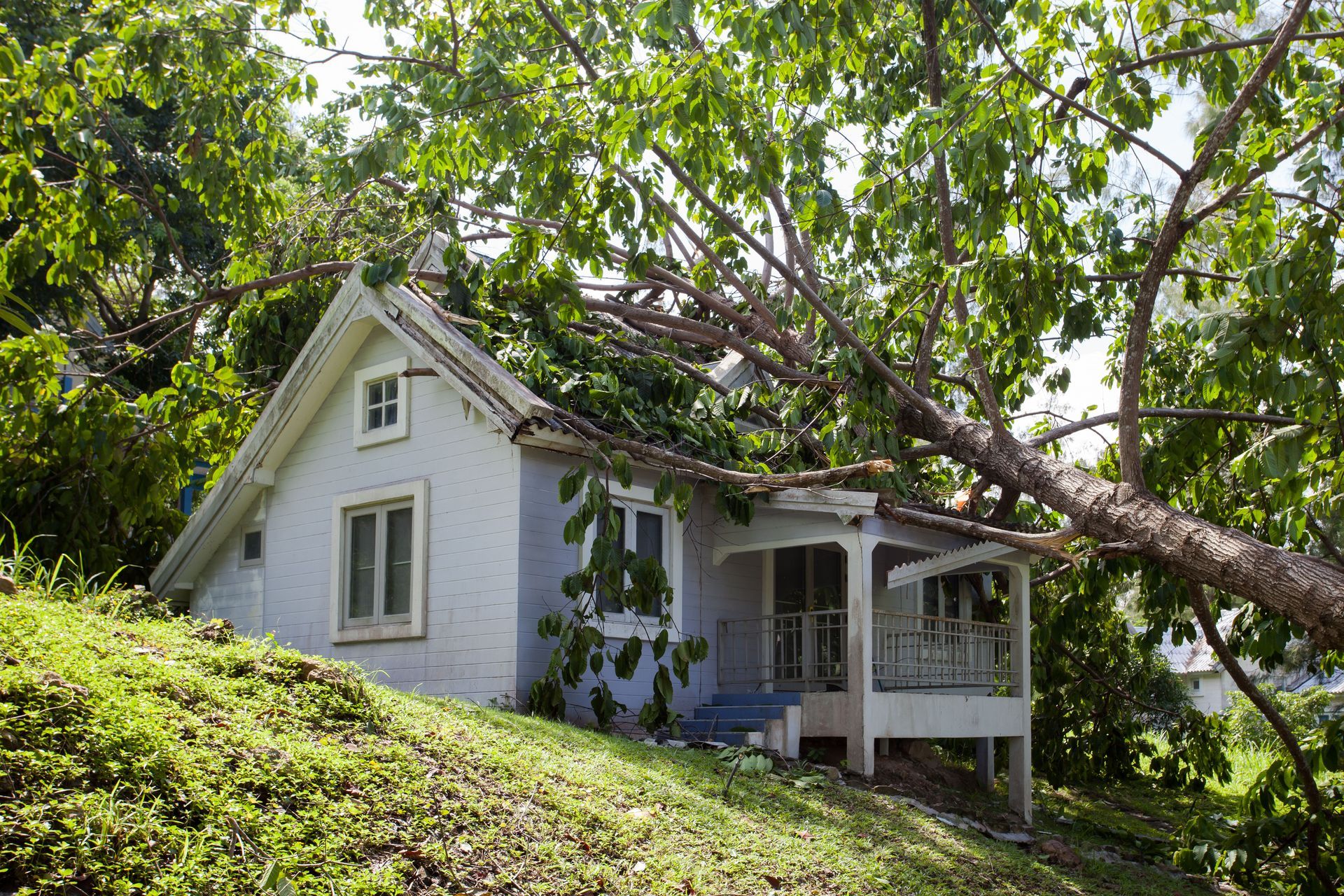
Controlling the descent of massive wood sections requires complex physics, directional cuts, and specialized rope systems that take years of field training to master. When an unguided branch drops from a high canopy, gravity quickly turns a seemingly modest bough into an uncontrollable projectile capable of crushing structures below. Unplanned impacts can puncture roof shingles, crack driveway concrete, break window glass, flatten garden fences, or obliterate delicate ornamental shrubs. Comprehensive tree care addresses these risks through precision dismantling techniques that guide every limb safely to the ground.
Arboricultural teams employ advanced rigging apparatus, including friction brakes, heavy-duty pulleys, and high-tensile synthetic ropes, to slowly lower heavy timber within tight property boundaries. This degree of control proves vital in suburban environments where houses, sheds, outdoor air conditioning units, and neighboring properties sit close together. Rather than guessing which direction a severed branch might swing or bounce, seasoned crews calculate swing radii and tension thresholds before making a single cut. This meticulous operational planning shields your structural investments, vehicles, and neighboring boundaries from catastrophic property damage.
3. Maintaining Long-Term Specimen Health
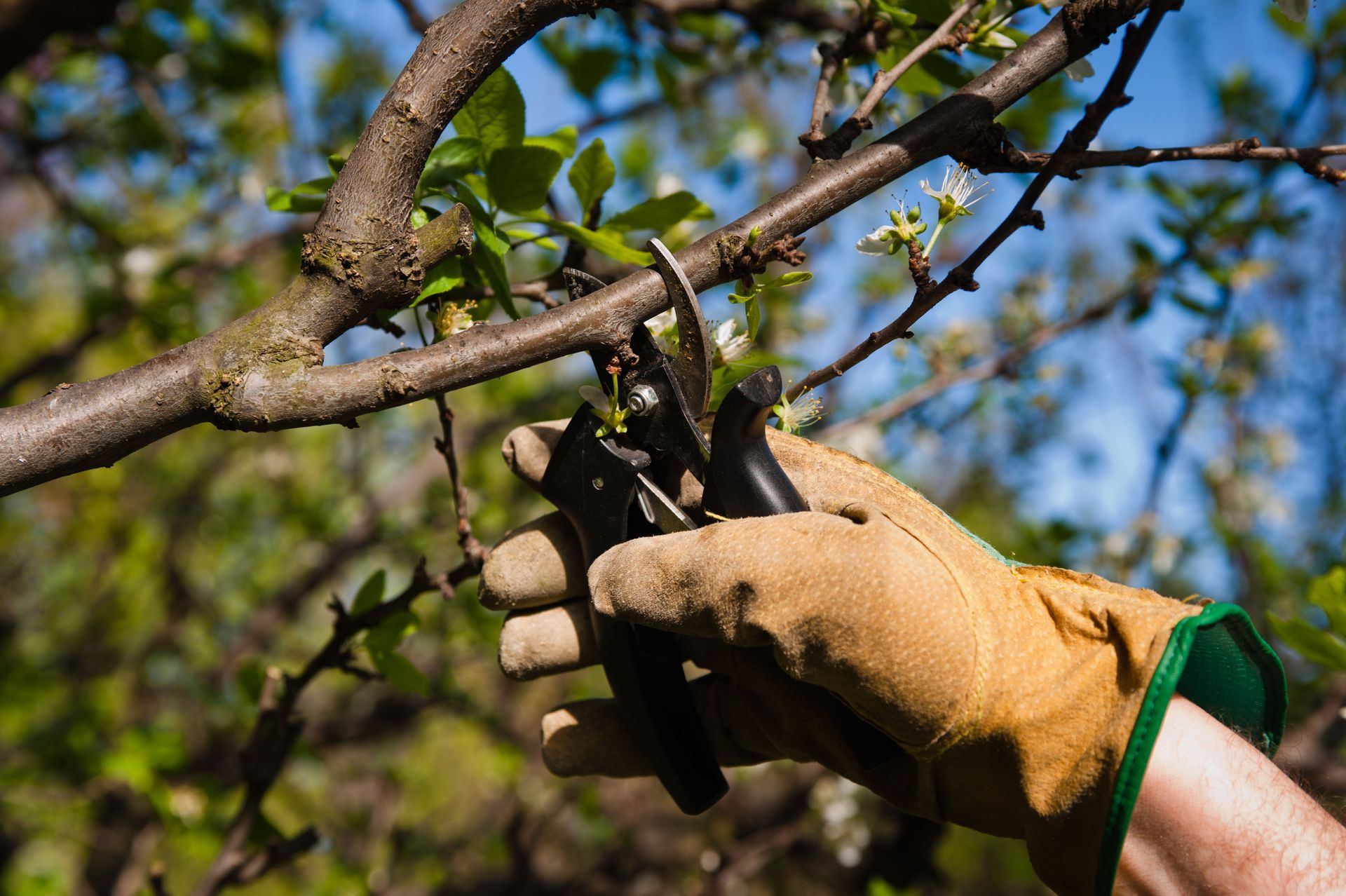
Aesthetic pruning is fundamentally different from indiscriminate hacking or destructive canopy topping that permanently mutilates healthy timber. Removing too many living branches at once starves a tree of photosynthetic energy, prompting the frantic production of weak, spindly water sprouts that easily snap in mild breezes. Furthermore, tearing the delicate bark during an improper cut opens wide wounds that invite parasitic fungi, boring insects, and bacterial pathogens directly into vascular tissues. Scientifically guided tree care preserves the structural integrity of the specimen while systematically encouraging healthy future growth.
Certified arborists possess an intricate understanding of tree physiology, disease patterns, and species-specific growth habits across different regional environments. They understand precisely where the branch bark ridge and branch collar reside, ensuring every pruning cut stimulates the natural compartmentalization of decay without inhibiting natural wound closure. Through selective canopy thinning, crown cleaning, and deadwood removal, specialists improve internal sunlight penetration and aerodynamic wind flow through the crown. This methodical approach suppresses fungal proliferation, decreases wind resistance during violent storms, and promotes vibrant foliage throughout each passing season.
4. Utilizing Professional Safety Gear
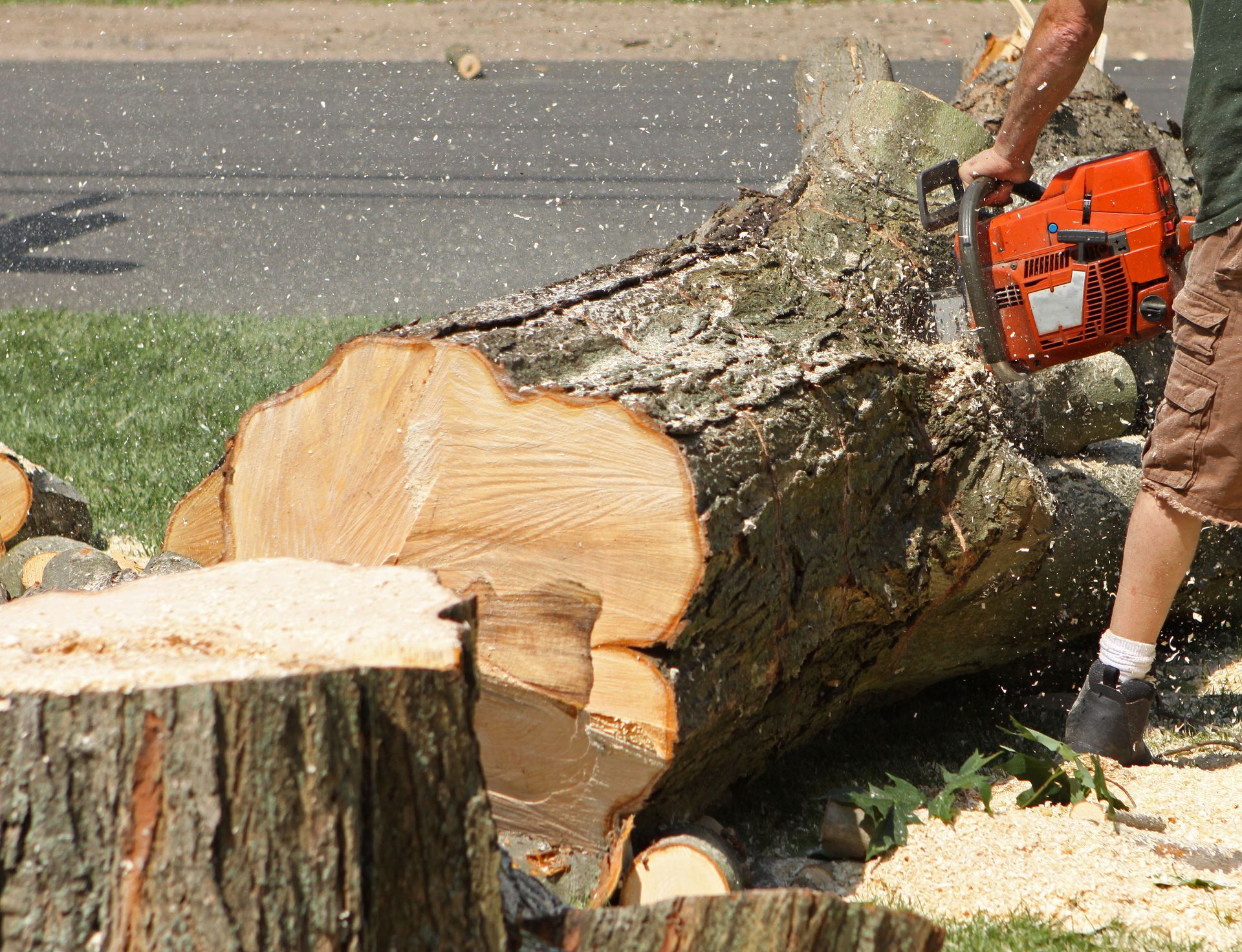
Managing large, mature timber safely requires an extensive inventory of specialized industrial machinery and protective apparel that the average homeowner does not own. Standard household tool sheds typically hold consumer-grade chainsaws, short extension poles, and aluminum step ladders that are entirely inadequate for heavy canopy maintenance. Professional tree care relies on modern commercial wood chippers, high-reach aerial lifts, stump grinders, and crane-assisted extraction tools designed specifically for demanding arboricultural operations.
Beyond heavy machinery, certified crews dress in comprehensive personal protective equipment, including ballistic chainsaw chaps, impact-resistant helmets with integrated face shields, hearing protection, and steel-toed climbing boots. Their climbing setups utilize double-braided synthetic ropes, friction hitches, mechanical ascenders, and heavy-duty structural harnesses designed to support body weight while maintaining multiple points of contact aloft. By deploying this specialized machinery and personal gear, professional teams execute complex tasks smoothly, rapidly, and securely without exposing anyone nearby to unnecessary operational dangers.
5. Managing Unpredictable Storm Damage
Violent summer thunderstorms, gale-force wind bursts, and heavy winter ice storms frequently leave trees in dangerously compromised, unpredictable configurations. Splintered trunks can remain caught in adjacent crowns, heavy boughs can hang suspended directly over driveways, and uprooted root plates can sit under tremendous ground tension. Navigating storm-damaged timber demands extraordinary caution because severed limbs under extreme load can suddenly release stored kinetic energy like a massive coiled spring. Specialized tree care ensures that hazardous storm debris is systematically stabilized and dismantled without causing secondary collapses.
Emergency response crews arrive equipped to assess complex structural loads, identifying which limbs hold tension and which hold compression before making preliminary relief cuts. Their systematic approach prevents sudden trunk roll, unexpected branch whip, and sudden structural shifts that frequently catch inexperienced individuals off guard. Once unstable sections are safely brought down, crews process fallen trunks and brush, grinding remaining stumps and hauling away massive logs to restore order to your landscape. Having seasoned experts handle post-storm recovery shields property owners from the intense physical exhaustion and severe hazards associated with disaster cleanup.
Maintaining a safe, attractive landscape requires continuous dedication, specialized horticultural knowledge, and strict adherence to proven safety standards. Attempting to manage massive canopies without adequate training, specialized machinery, or proper safety gear exposes property owners to severe hazards, structural damage, and irreversible harm to their landscape. Investing in skilled professional tree care preserves the longevity of your landscape specimens, safeguards your property investments, and ensures your outdoor areas remain welcoming sanctuaries for family and guests alike.
If you are ready for exceptional property maintenance and canopy preservation, contact us at Levi's Tree Service LLC today. We will help you keep your property secure, vibrant, and pristine through dependable arboricultural solutions.