October 22, 2026
Trees contribute shade, natural beauty, and character to residential and commercial properties. Their condition also influences the surrounding landscape, particularly when branches grow near buildings, driveways, fences, or other outdoor features. Maintaining trees involves more than managing their appearance. Professional care addresses growth patterns, damaged branches, structural weaknesses, and other conditions that affect how trees develop over time.
According to EarthDay.org, some of the oldest living trees on Earth have existed for more than 4,000 years. These remarkable lifespans demonstrate the potential longevity of certain tree species under suitable conditions. Although individual trees have different lifespans and environmental requirements, thoughtful care remains an important consideration for property owners who want to maintain their existing trees.
Professional tree services include several approaches to managing tree health and structure. Pruning, trimming, cabling, and removal each address different circumstances. Understanding these options helps property owners recognize when professional attention is appropriate and how qualified tree care supports the condition of their outdoor spaces.
Evaluating Tree Health and Structural Conditions
Understanding a tree's condition begins with examining its visible structure and surrounding environment. Dead branches, damaged limbs, visible decay, split trunks, and irregular growth can indicate concerns that deserve professional evaluation. The significance of each sign depends on the tree's species, age, location, and overall condition.
A professional assessment considers the tree alongside nearby structures and property features. Branches growing close to roofs, vehicles, walkways, or utility lines require particular attention because their location affects property access and safety. Trees with structural weaknesses also need careful evaluation to determine whether pruning, support, or removal is appropriate.
Levi's Tree Service provides professional tree care for residential and commercial properties in Union and Essex counties, New Jersey. Its trained professionals and certified arborists handle a range of tree-related needs, from routine maintenance to complex removal projects. This experience supports informed decisions about the appropriate approach for individual trees.
Tree condition also changes over time. Previous storm damage, ongoing growth, and deteriorating branches can affect a tree's structure. Periodic professional assessments provide opportunities to review these changes and identify appropriate care based on the tree's current condition rather than relying solely on its appearance.
Supporting Healthy Growth Through Professional Pruning
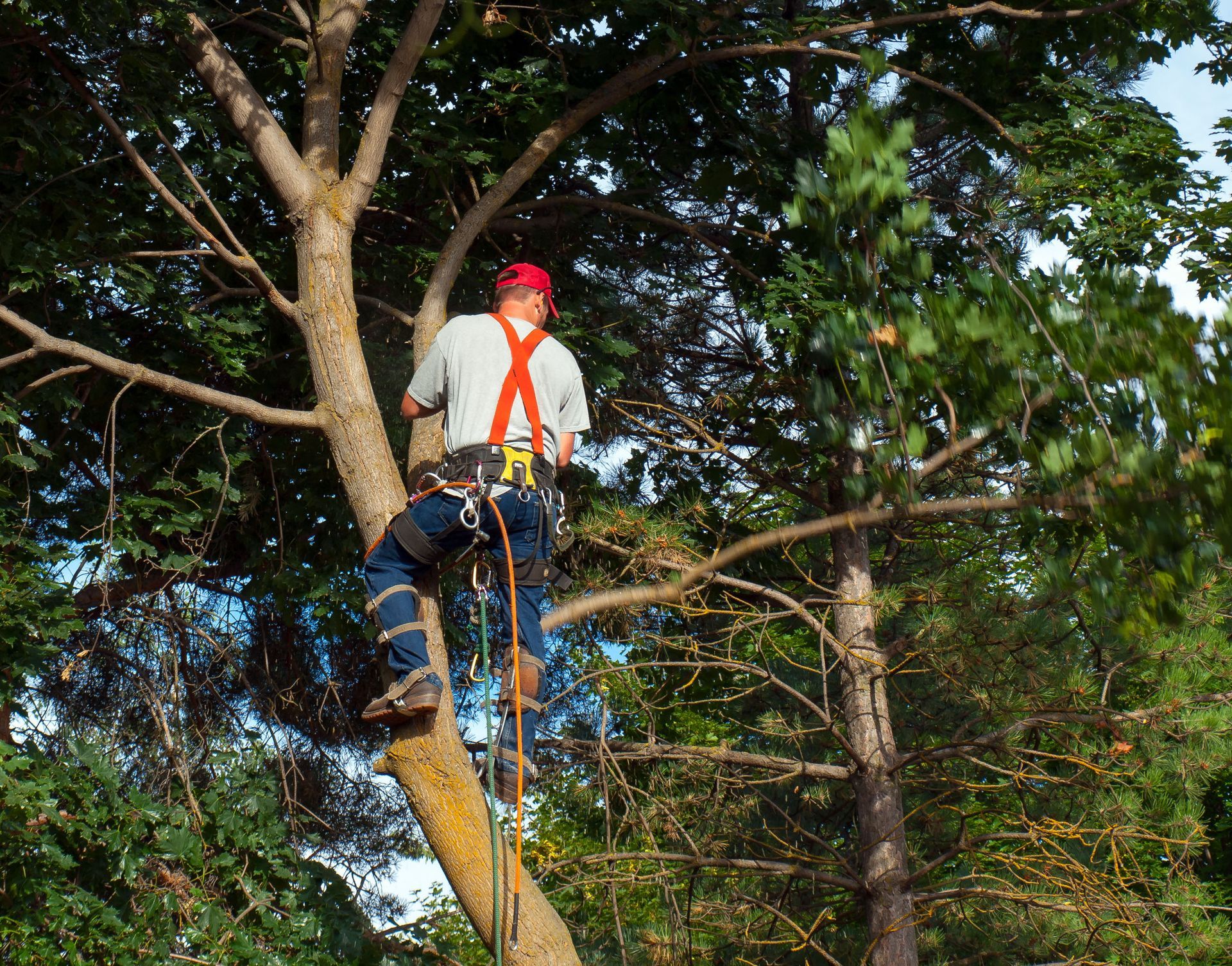
Pruning focuses on removing selected branches to address specific tree care needs. Levi's Tree Service offers crown thinning, deadwood removal, structural pruning, vista pruning, clearance pruning, crown reduction, and fruit tree pruning. Each technique serves a different purpose, making it important to match the approach to the tree and its surroundings.
Deadwood removal addresses branches that are dead or no longer healthy. Structural pruning focuses on tree form and branch arrangement, while crown thinning involves selectively reducing branch density. Clearance pruning addresses branches that interfere with buildings or other features, and crown reduction adjusts the overall size of a tree's crown when appropriate.
These distinctions matter because pruning involves decisions about which branches to remove and how much of the tree's structure to retain. Excessive or poorly planned cutting can create additional stress and affect the tree's natural form. Professional assessment helps determine the extent and type of pruning suited to the circumstances.
Regular attention to tree structure also helps property owners manage overgrowth. Branches extending toward buildings or obstructing views can affect how outdoor spaces are used. Professional pruning provides a structured approach to addressing these concerns while considering the tree's overall condition and appearance.
Maintaining Tree Structure Through Appropriate Trimming
Tree trimming helps manage branch growth, maintain shape, and address overgrown areas. Although trimming and pruning are closely related, the appropriate service depends on the tree's condition and the property owner's objectives. Both require consideration of branch placement, tree structure, and the surrounding environment.
Overgrown branches can obstruct walkways, interfere with structures, or limit sunlight reaching parts of a landscape. Trimming can address these concerns while helping maintain a more orderly appearance. The work also involves evaluating how branches relate to the tree's overall form rather than simply reducing growth indiscriminately.
Seasonal changes in New Jersey bring different considerations for tree maintenance. Spring and summer growth can make overhanging branches more noticeable, while autumn storms and winter weather introduce concerns about damaged or weakened limbs. The appropriate timing for trimming depends on the tree species, its condition, and the purpose of the work.
Professional evaluation helps determine which branches require attention and which should remain. This distinction is important because healthy branches contribute to the tree's structure, while unnecessary cutting can interfere with natural growth. A planned approach keeps maintenance focused on the tree's specific needs.
Preserving Valuable Trees Through Cabling and Support
Some trees develop structural weaknesses that require more than routine pruning. Split trunks, weak branch unions, and multiple stems can create concerns about how the tree supports its own weight. In appropriate situations, tree cabling provides additional structural support while allowing the tree to remain in place.
Levi's Tree Service offers cabling for weak or split branches, support for young trees, and solutions for mature or historically significant trees. These tree services use cabling systems selected according to the tree's structure and the areas requiring support. Professional assessment helps determine whether this approach suits the tree's condition.
Cabling is not a universal solution for every damaged or unstable tree. The extent of the weakness, the condition of the wood, and the tree's location all influence the decision. Some trees require different care, including pruning or removal, depending on the risks and structural concerns involved.
When preservation is appropriate, tree services can include support systems as part of a broader care plan. Monitoring and professional attention remain important because trees continue growing and changing after cabling is installed.
Managing Damaged Trees and Necessary Removal
Tree preservation is an important goal, but removal remains appropriate when a tree is dead, severely damaged, diseased, or structurally unstable. Trees that pose safety concerns near homes, businesses, vehicles, or other property features require careful assessment. The decision should reflect the tree's condition, its surroundings, and the available alternatives.
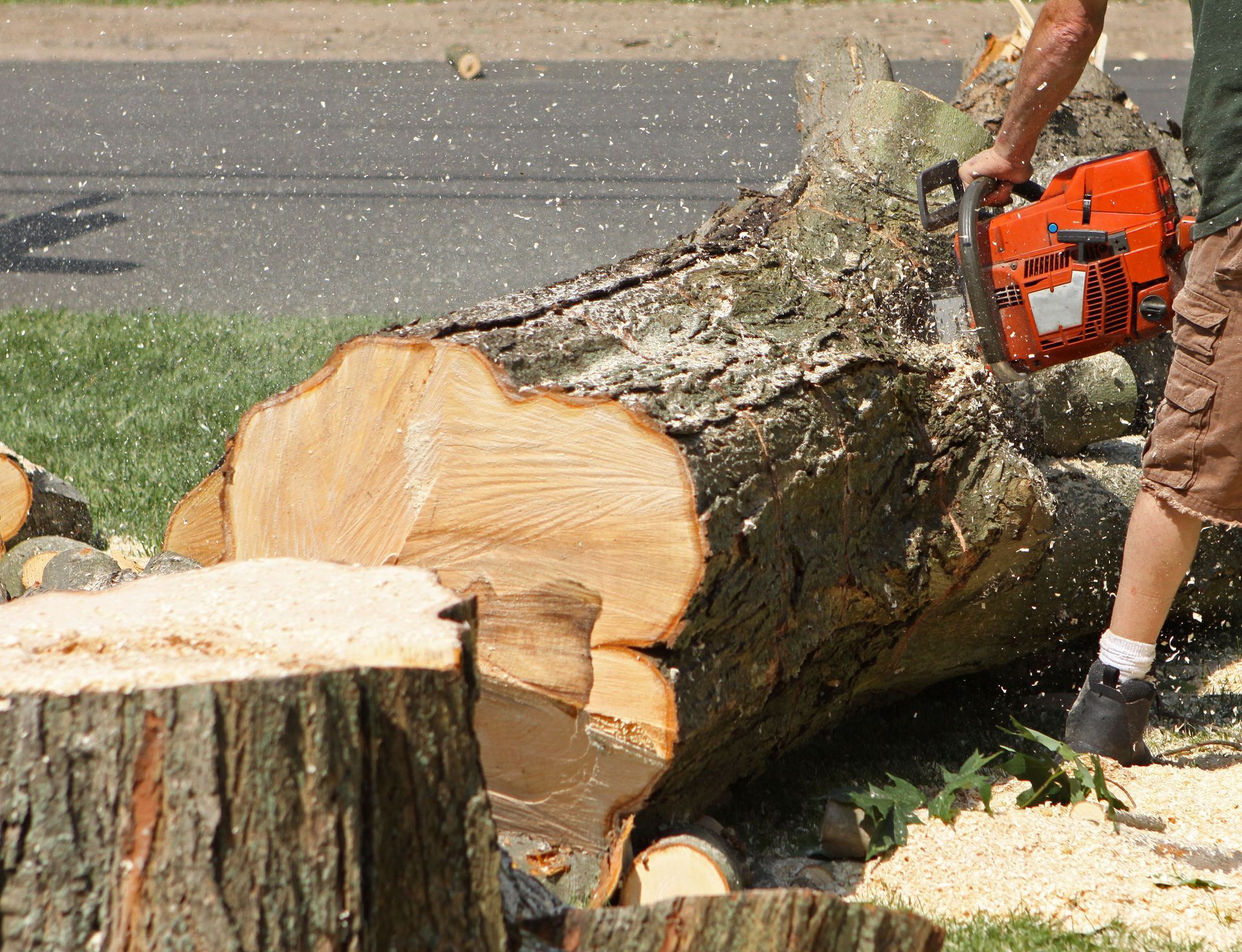
Levi's Tree Service provides tree removal for residential and commercial properties, using equipment and planned techniques suited to the project. Its services include removing storm-damaged trees and addressing hazardous trees in challenging locations. Professional planning also considers nearby structures and surrounding vegetation.
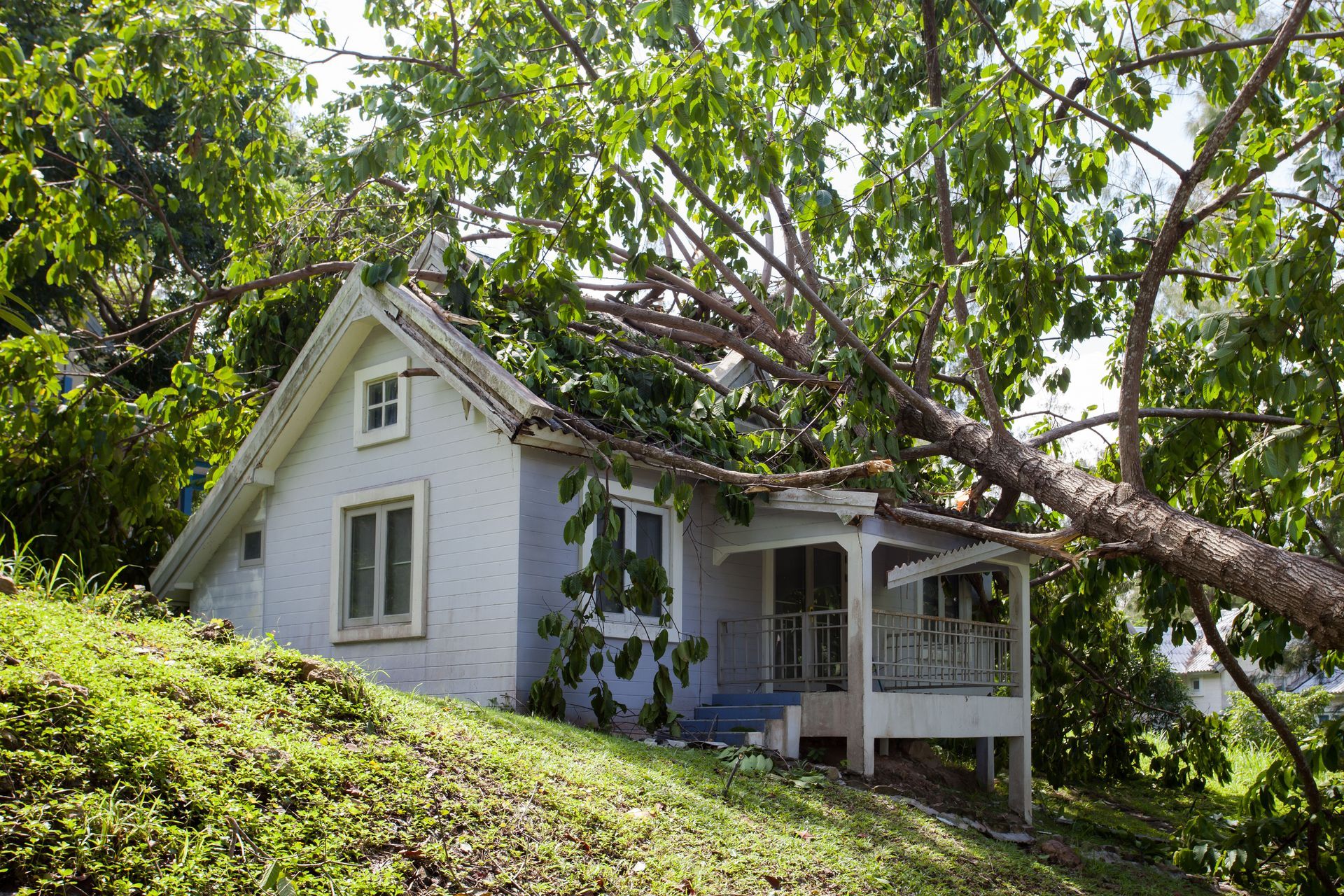
Severe weather can leave trees with split trunks, broken branches, or fallen sections. Emergency tree removal is available around the clock for urgent situations involving fallen or hazardous trees. Prompt professional attention is particularly important when a damaged tree blocks access or creates an immediate concern around a property.
After removal, stump grinding or stump removal addresses the remaining portion of the tree. Stumps can obstruct lawn maintenance, create tripping concerns, and limit the use of outdoor space. Selecting the appropriate service depends on the stump's condition and the property's future needs.
Maintaining Tree Health Across Changing Seasons
Tree care is an ongoing responsibility because growth, weather, and environmental conditions continually affect trees. Routine assessments help property owners keep track of visible changes and determine when professional attention is appropriate. Pruning, trimming, cabling, and removal each serve specific purposes within a broader approach to managing tree conditions.
Storm preparation is particularly relevant for properties in New Jersey. Strong winds and heavy precipitation can damage branches or affect trees with existing structural weaknesses. Professional tree service evaluations help identify concerns before severe weather and provide guidance about appropriate maintenance based on the condition of individual trees.
After a storm, damaged branches, fallen trees, and debris require careful attention. Levi's Tree Service provides emergency assistance, tree removal, wood chipping, and debris disposal for storm-related situations. These tree services address different aspects of cleanup and help property owners manage affected outdoor areas.
Long-term care also involves recognizing when a tree's condition changes enough to require a new assessment. A tree that previously needed routine trimming could develop structural concerns as it grows or experiences damage. Regular professional tree services help property owners respond to those changes with informed decisions.
Preserving trees involves balancing their health, structure, location, and relationship to the surrounding property. Professional evaluations help clarify which care options suit each situation, whether the priority is maintaining healthy growth, supporting a weakened structure, or removing a tree that presents a hazard. Contact Levi's Tree Service LLC to request a free estimate and discuss professional tree services for your property.