July 27, 2026
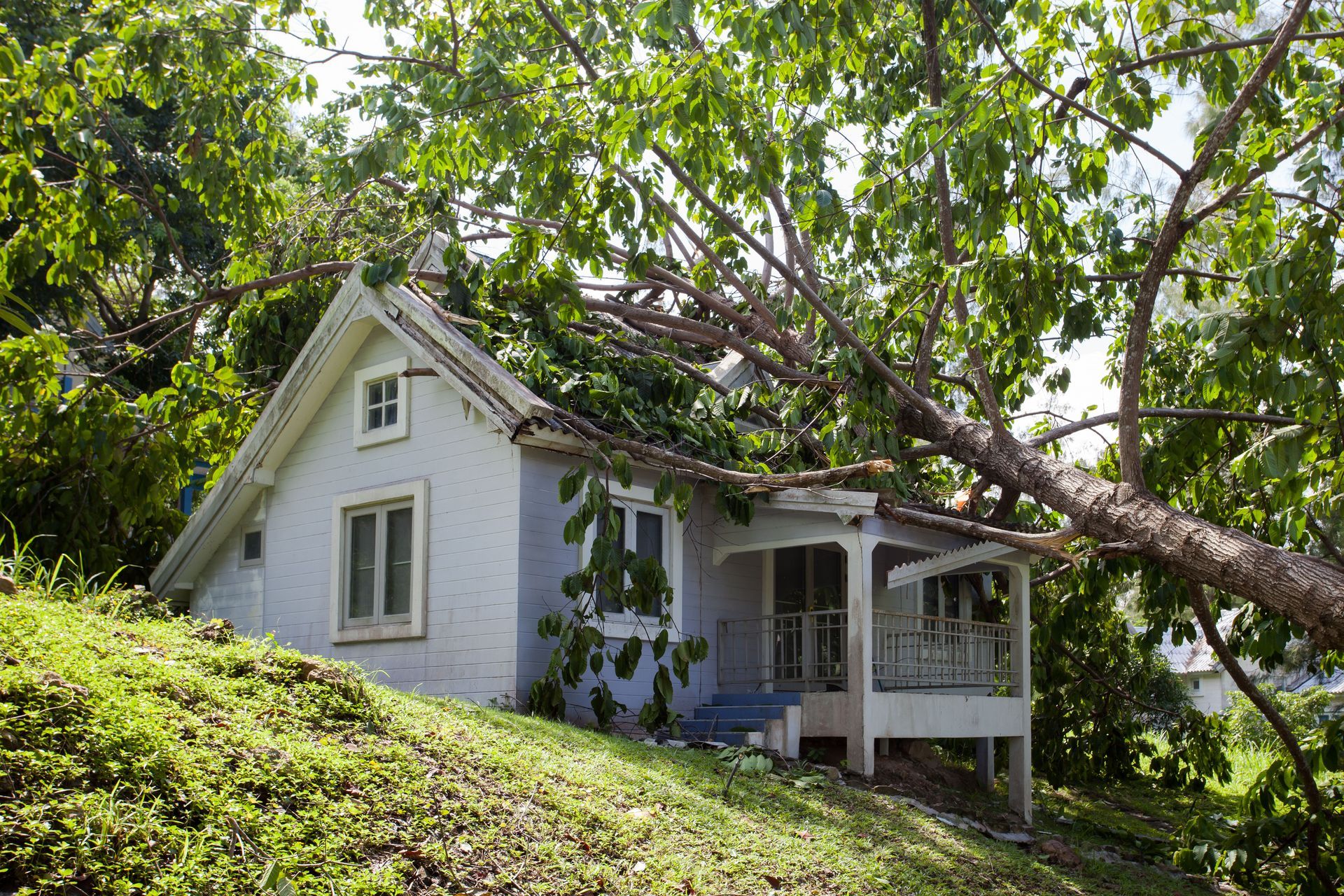
Severe storms can leave trees with broken branches, damaged roots, and hidden structural problems that are not always visible right away. After strong winds, heavy rain, or lightning events, a tree care company can help homeowners understand what damage has occurred and what steps should be taken next. Professional support can make the difference between saving a valuable tree and facing unnecessary safety risks.
Storm recovery is not only about removing damaged limbs or clearing fallen debris. It also involves helping trees regain stability, encouraging healthy growth, and reducing the chances of future problems. With the right approach, damaged trees can often recover and continue providing shade, beauty, and environmental benefits for many years.
Inspecting Storm Damage
The first step after a major storm is carefully inspecting the condition of the trees on a property. Arborists evaluate visible damage, including cracked branches, split trunks, leaning trees, and exposed roots. A professional assessment helps determine whether a tree can recover naturally or requires additional treatment to remain safe.
A tree care company uses specialized knowledge to identify issues that may not be obvious to the average homeowner. Some trees may appear healthy from the outside while having internal damage that affects their stability. Early inspections allow property owners to address concerns before they become larger hazards.
Storm assessments also help prioritize which trees need immediate attention. Trees located near homes, driveways, power lines, or walkways often require faster action because damaged sections could fall unexpectedly. Taking time to evaluate risks creates a safer environment while supporting better recovery decisions.
Removing Hazardous Branches
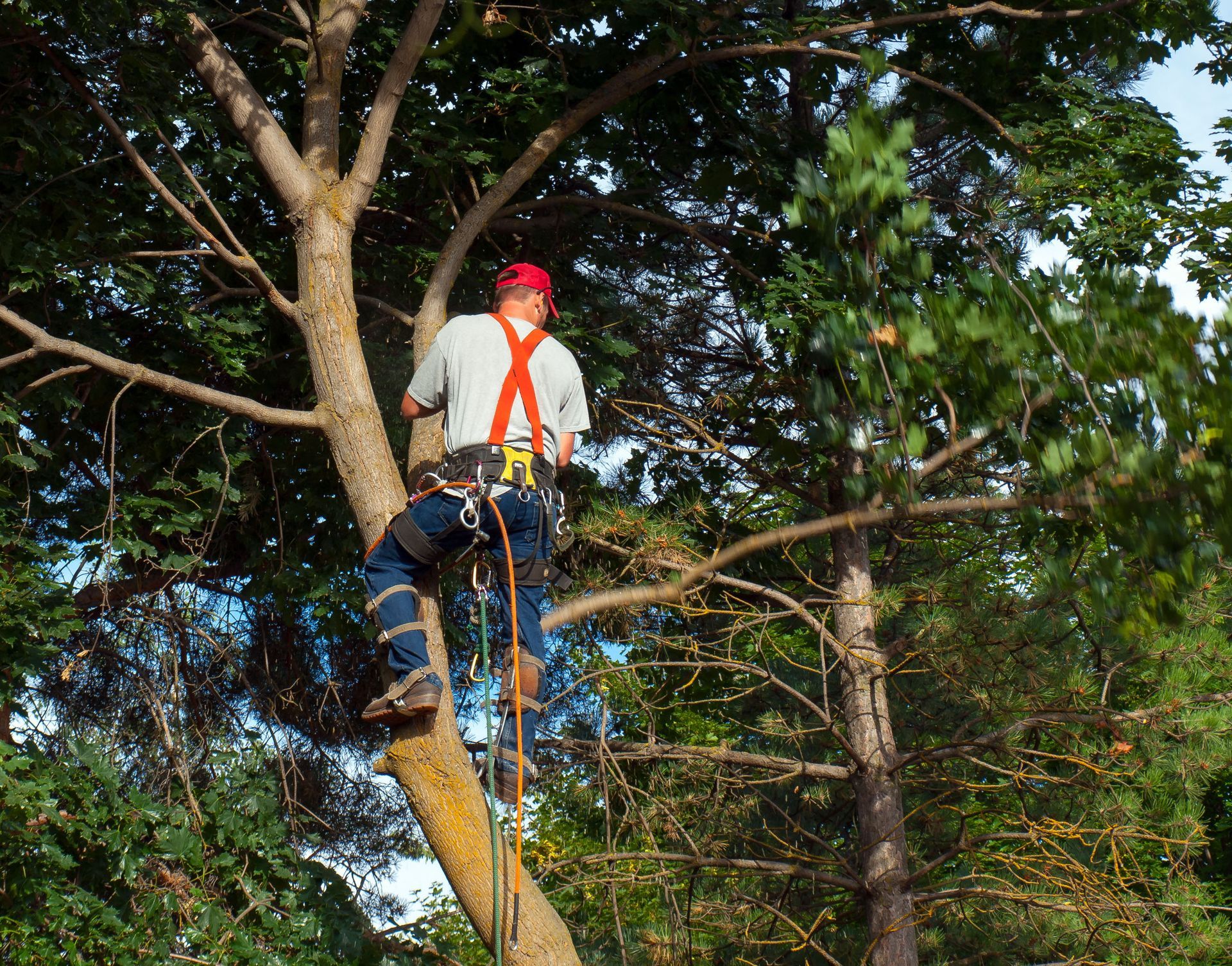
Broken limbs are one of the most common problems following severe weather. Damaged branches can place stress on the remaining parts of a tree and may become dangerous if they fall without warning. Removing these hazards carefully helps protect people, vehicles, buildings, and surrounding landscapes.
Proper pruning after a storm requires more than simply cutting away damaged areas. Arborists must understand tree structure and make precise cuts that encourage healthy healing. Incorrect trimming methods can create additional stress and leave trees more vulnerable to disease or future storm damage.
According to the Arbor Day Foundation’s 2025 Canopy Report, most people recognize the importance of restoring trees after natural disasters, with 90% agreeing that replanting trees plays an important role in recovery efforts. This highlights how communities value trees not only for appearance but also for their contribution to rebuilding healthier environments after damaging events.
Supporting Tree Recovery
Storm damage does not always mean a tree needs to be removed. Many trees can recover when they receive proper care, including pruning, soil improvements, and structural support. Understanding the specific needs of each tree helps create a recovery plan that encourages long-term health.
A tree care company can provide solutions that improve a tree’s ability to heal after severe weather. Services such as cabling, bracing, and targeted pruning may help stabilize weakened areas while allowing the tree to continue growing. These techniques are especially useful for mature trees that provide significant value to a property.
Recovery also depends on patience and continued monitoring. Trees often need time to respond after storm damage, and changes may not be immediately noticeable. Regular evaluations help determine whether treatments are working and whether additional care is needed.
Restoring Root Health
Storms can affect more than what is visible above ground. Heavy rainfall, flooding, and soil movement can damage roots, reduce oxygen levels in the soil, and weaken a tree’s foundation. Protecting root health is an important part of helping trees recover after extreme weather.
Improving soil conditions can support stronger root development and better overall stability. Arborists may recommend techniques such as aeration, mulching, or drainage improvements to help restore healthier growing conditions. These steps allow roots to access the nutrients and moisture needed for recovery.
A tree care company understands that healthy roots are essential for long-term survival. Without proper root support, even a tree with a healthy-looking canopy may struggle after a storm. Addressing underground damage early helps reduce future risks and promotes stronger growth.
Managing Tree Removal
While many damaged trees can be restored, some situations require removal to protect safety. Trees with severe trunk damage, unstable roots, or extensive structural failure may pose ongoing risks to nearby property and people. Professional evaluations help determine when removal is the safest option.
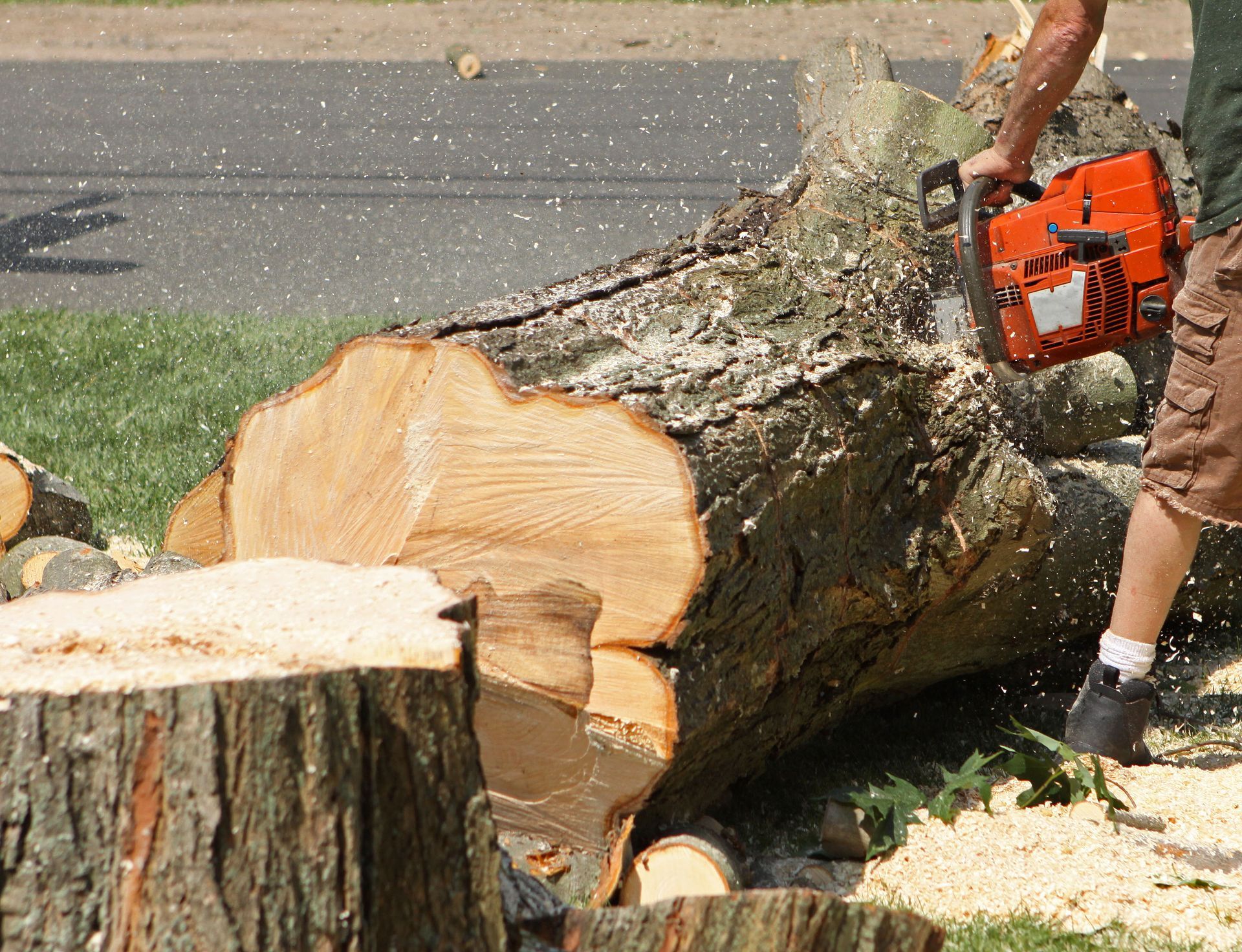
Safe removal requires careful planning and specialized equipment. Arborists consider the tree’s location, surrounding structures, and potential hazards before beginning the process. This approach minimizes additional damage and allows cleanup to be completed efficiently.
After removal, services such as stump grinding and debris cleanup help restore the area. Removing leftover materials reduces safety concerns and creates opportunities for new landscaping projects. In some cases, replacing a damaged tree with a more suitable species can help strengthen the landscape for future storms.
Preventing Future Storm Damage
Preparing trees before the next storm can significantly reduce potential damage. Routine maintenance, including inspections and strategic pruning, helps identify weak areas before severe weather exposes them. Preventative care allows trees to develop stronger structures and better withstand challenging conditions.
Property owners can also improve storm resilience by selecting appropriate tree species and planting them in suitable locations. Trees with strong root systems and durable structures are often better equipped to handle high winds and changing weather conditions. Proper placement also reduces conflicts with buildings, utilities, and other property features.
A tree care company can help create a long-term maintenance plan based on the needs of each landscape. Regular care keeps trees healthier while allowing potential problems to be addressed before emergencies occur. Investing in prevention can reduce costly repairs and preserve the benefits trees provide.
Maintaining Long-Term Tree Health
Storm recovery does not end once damaged branches are removed or cleanup is complete. Trees require ongoing attention to maintain their health and stability throughout the years. Continued monitoring allows homeowners to recognize changes and respond before small concerns become serious problems.
Consistent maintenance includes checking for disease, pests, structural weaknesses, and environmental stress. Seasonal pruning and professional evaluations can help trees remain balanced and strong. These efforts also improve the appearance of outdoor spaces while supporting healthier landscapes.
Working with professionals gives property owners confidence that their trees are receiving appropriate care. A proactive approach protects valuable trees, improves safety, and supports a more resilient environment. Healthy trees are better prepared to handle future storms while continuing to enhance neighborhoods and properties.
Storms can create significant challenges for trees, but proper care can help many of them recover and remain valuable parts of the landscape. From inspections and pruning to root management and preventative maintenance, professional services provide important support after severe weather events. A tree care company plays an important role in protecting tree health while helping homeowners make informed decisions about storm-damaged trees.
Taking action after a storm can prevent further damage, improve safety, and support stronger future growth for the trees surrounding your property. With regular attention, proper maintenance, and expert guidance from a tree care company, trees can recover from storm-related stress while continuing to provide shade, beauty, and environmental benefits for generations. Professional care helps ensure that damaged trees receive the right solutions, whether they need pruning, structural support, removal, or ongoing monitoring. Contact Levi's Tree Service LLC to receive professional assistance with protecting and restoring your storm-damaged trees.