October 7, 2026
Severe weather can leave trees with broken branches, damaged trunks, fallen limbs, or other conditions that may require attention. Homeowners can review affected areas after a storm and identify visible concerns around homes, vehicles, fences, landscaping, and other property features. Professional tree services can help address these concerns through assessments, pruning, trimming, structural support, removal, and cleanup. According to the Arbor Day Foundation's 2025 Canopy Report, 61% of Americans said they had experienced a natural disaster in the past 12 months, and the Foundation notes that 62% said those disasters caused significant impacts to their local tree canopy.
Common Storm-Related Tree Risks
Recognize Storm Damage
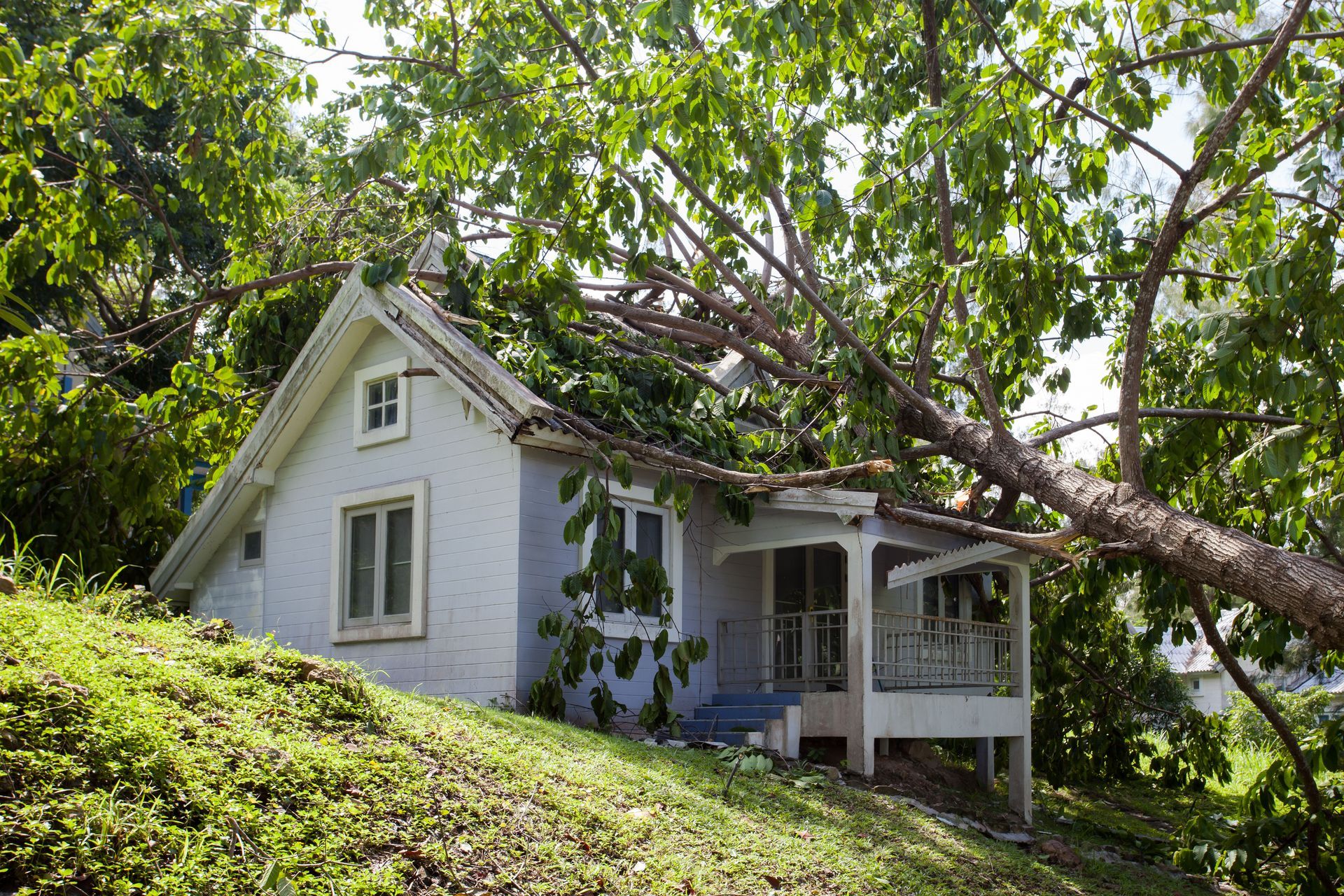
Severe weather can leave branches broken, trunks damaged, or trees fallen. Homeowners can look over affected areas after a storm and find visible conditions that require attention. Tree services can help address storm-related tree concerns when branches or trees create hazards around a property.
Severe weather can also expose damage that is not immediately noticeable from the ground. Broken limbs lodged in a tree, split branches, and changes in a tree's position may become more apparent during a closer evaluation. Noting these conditions early can help homeowners determine which areas may need professional attention.
Identify Vulnerable Trees
Signs such as cracked trunks, dead branches, leaning trees, visible decay, or other structural concerns may warrant professional attention. Homeowners can note these conditions when looking over trees after severe weather. Professional care can help determine whether damaged branches or trees may require pruning, structural support, or removal.
Storm conditions can place additional stress on trees that already have weakened or damaged areas. Trees with existing cracks, decay, or dead limbs may require closer evaluation after severe weather passes. Identifying these concerns can help homeowners address potential problems before additional damage occurs.
Consider Property and Safety
Fallen trees and damaged branches can create concerns around homes, businesses, vehicles, fences, and other property features. Storm damage may also leave areas difficult to access or create debris that needs to be cleared. Professional tree services can help homeowners address these conditions and manage affected areas.
Storm-related damage can affect more than the trees themselves. Branches may fall across access areas, contact structures, or interfere with vehicles and other features on the property. Reviewing these areas after severe weather can help homeowners identify conditions that may require prompt attention.
Address Ongoing Tree Care
Storm damage can create tree-care needs that continue after immediate cleanup. Homeowners can continue monitoring visible changes and consider professional attention when trees or branches appear damaged or unstable. Ongoing trimming, pruning, and other appropriate care can address tree-care needs between major storm events.
Professional Storm Tree Care
Assess Tree Health
Tree assessments can help homeowners understand visible conditions affecting a tree's health or structural stability. Evaluations can consider signs of damage, decay, disease, or other concerns that may require further tree care. Professional tree services can help determine whether pruning, structural support, or removal may be appropriate after a storm.
Remove Damaged Trees
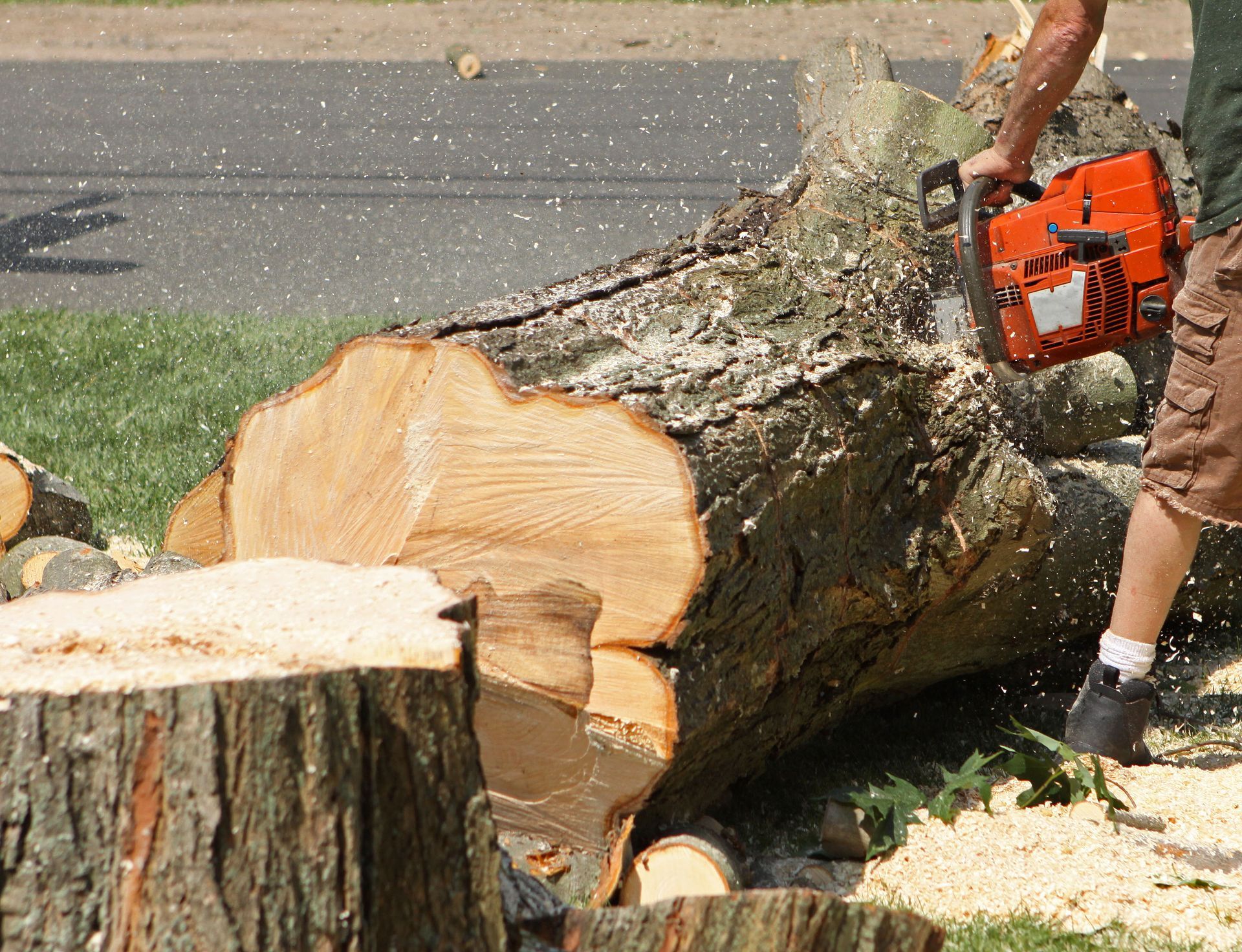
Storm-damaged trees may require removal when they have fallen, become hazardous, or can no longer remain safely in place. Homeowners can consider professional removal when a damaged tree creates a concern on the property. Emergency care can address urgent storm-related tree removal needs.
Trim Damaged Branches
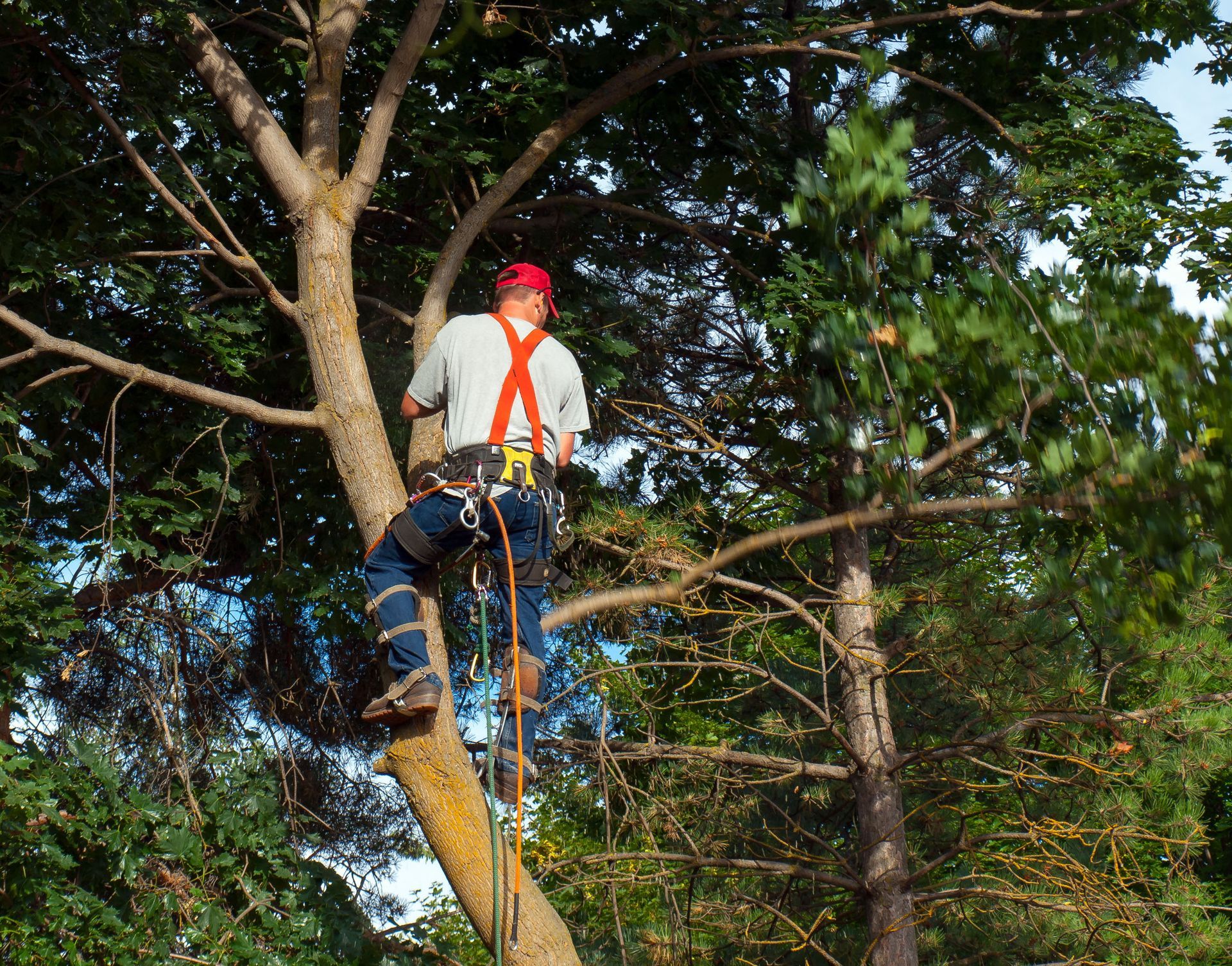
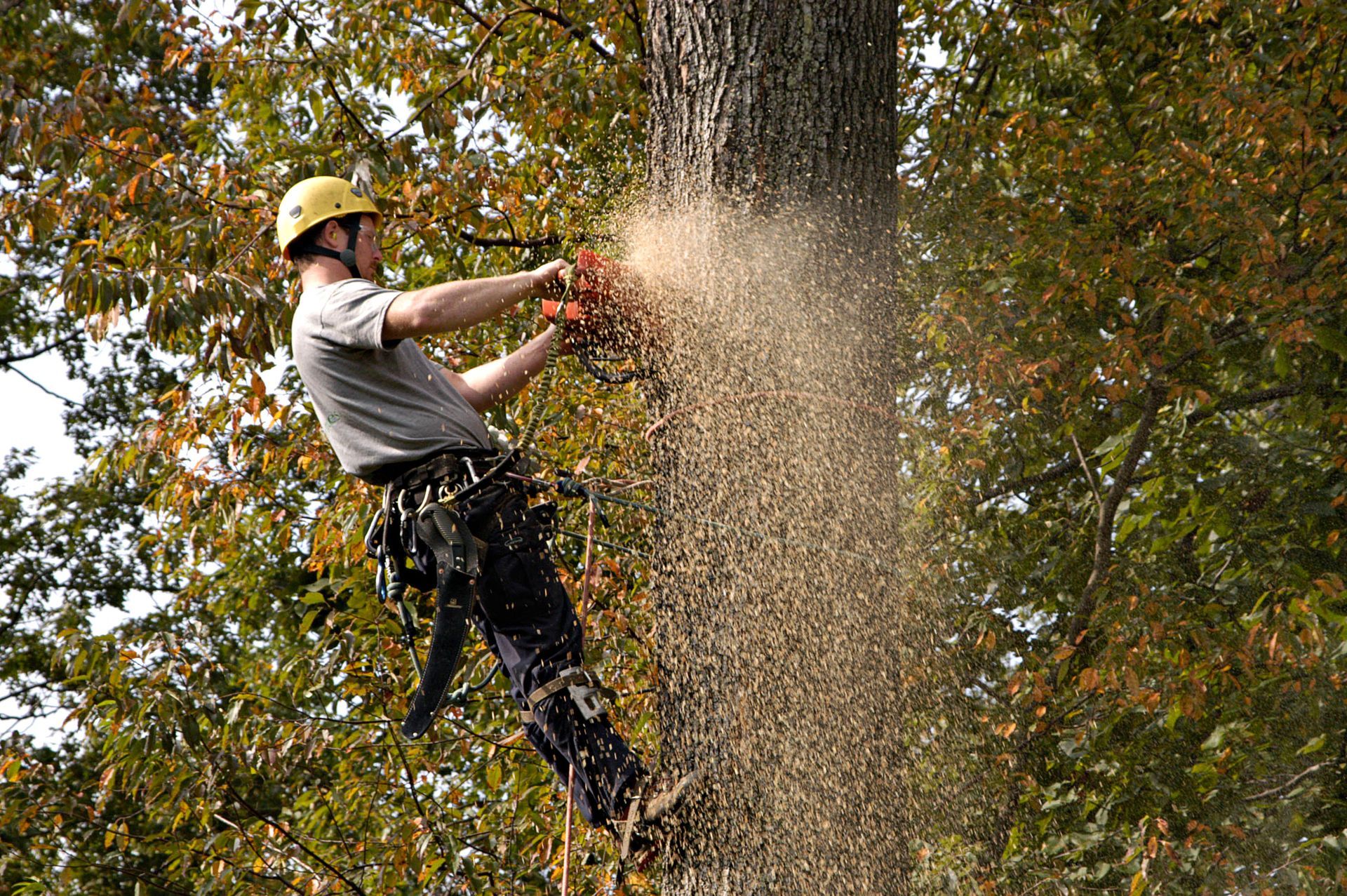
Tree trimming can address dead, damaged, or problematic branches. Homeowners can consider pruning when severe weather leaves branches broken or otherwise compromised. Professional tree services can help address branches that present concerns around homes, vehicles, fences, or other property features.
Support Weak Structures
Some trees may have structural concerns that call for additional support rather than removal. Tree cabling and bracing can provide support for weak branches or other structural vulnerabilities. An assessment can help determine whether these services are appropriate for a particular tree.
Manage Storm Cleanup
Storm-damaged trees and branches can leave debris around a property. Homeowners may need to address fallen or damaged trees, problematic branches, and tree-related debris after severe weather. Wood chipping and disposal are available services that can help manage branches and other tree debris following tree work.
Ongoing Tree Care Benefits
Monitor Existing Trees
Homeowners can periodically look over existing trees for visible signs of damage, decay, dead branches, leaning, or other changes. When a tree appears damaged or presents a potential hazard, a professional tree assessment can help determine what type of care may be appropriate. This type of attention can help homeowners decide when to contact tree services.
Address Damaged Branches
Storms can leave branches broken, damaged, or otherwise compromised. Homeowners should pay attention to branches that appear damaged after severe weather and consider professional tree care when removal or pruning is needed. Addressing damaged branches can also help clear areas around homes and other property features.
Damaged branches can remain a concern even after the initial effects of a storm have passed. Some branches may be partially broken or weakened without falling immediately. A closer evaluation can help identify branches that may need pruning or removal to address storm-related damage.
Support Structural Concerns
Not every tree with structural concerns necessarily requires removal. Depending on the condition of the tree, cabling or bracing may provide additional support for weak branches or other vulnerable areas. Professional evaluation can help determine which type of care is appropriate.
Structural issues can vary depending on the location and condition of the affected parts of a tree. Weak branches or compromised areas may benefit from additional support when the tree can remain in place. Evaluating these conditions can help determine whether cabling, bracing, or another form of care is suitable.
Clear Fallen Trees
Fallen trees can obstruct driveways, yards, walkways, and other areas of a property. Tree removal and related cleanup can help clear storm-damaged trees and branches. Stump grinding or stump removal may also be appropriate when a fallen or removed tree leaves a stump behind.
Maintain Tree Health
Routine tree care can help homeowners address conditions that develop over time. Tree pruning and trimming can remove dead, damaged, or problematic branches while supporting the overall condition of existing trees. Regular attention can also help homeowners recognize when a tree may require additional care.
Evaluate Structural Conditions
Visible cracks, decay, damaged branches, leaning, or other structural concerns may warrant professional evaluation. Tree health assessments can help identify conditions that may affect a tree's stability and determine whether pruning, trimming, cabling, bracing, or removal may be appropriate. Homeowners can use these observations when deciding whether professional attention is needed.
Manage Stumps
Removing a tree does not always eliminate the remaining stump. Stump grinding can reduce the portion of a stump remaining above ground, while stump removal can clear the remaining stump from the property. These services can help homeowners manage areas affected by previous tree removal.
Plan for Emergency Care
Storm damage can happen without warning, leaving homeowners with fallen trees, broken branches, or other urgent concerns. Emergency tree services can help address hazardous conditions following severe weather. Prompt attention can help homeowners manage damaged trees and affected areas more effectively.
Severe weather can leave trees damaged or unstable, creating concerns that may require prompt professional attention. From evaluating tree health and addressing structural issues to removing storm-damaged trees and managing remaining stumps, appropriate care can help homeowners keep their properties clear and manageable. Levi's Tree Service LLC provides tree care for residential and commercial properties, including emergency services for storm-related concerns, and homeowners can learn more about available tree services and how they can address their property's needs.